
How e-Learning Video Productions Can Transform Your Classroom
July 17, 2023
e-learning videos are quickly becoming a staple in classrooms, and it’s easy to see why. They give students a chance to revisit lessons at their own pace, supplement traditional teaching, and engage with material in a more interactive way. But not all video content is created equal, and how you use it can make all the difference.
Start With Quality
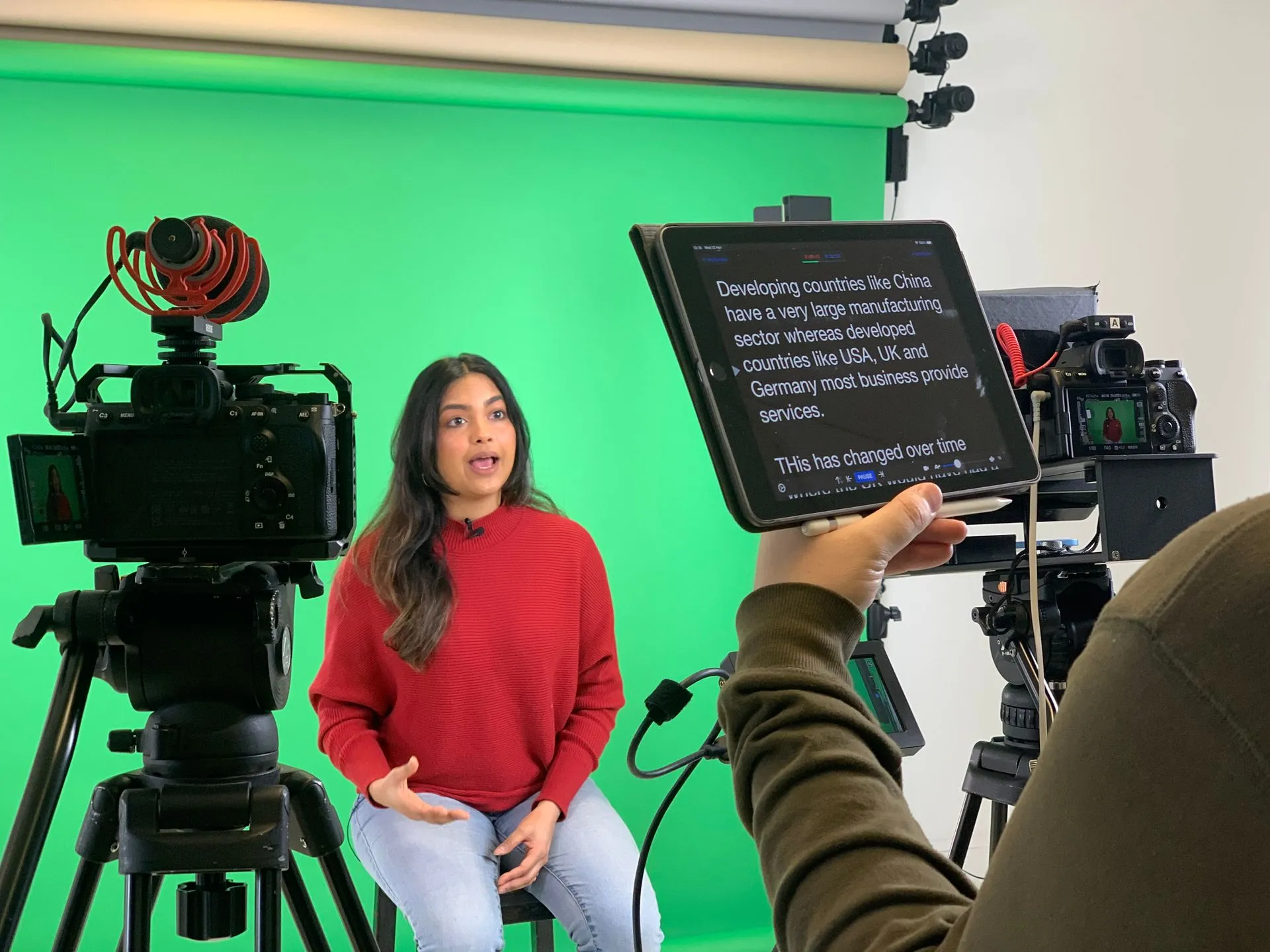
The first step is choosing videos that are well-produced and engaging. Working with a professional video company ensures that the content is clear, accurate, and visually appealing. Poor-quality videos can confuse students or fail to hold their attention, so investing in a good production pays off.
Before showing a video to your class, take the time to preview it. This lets you make sure the content aligns with your lesson objectives and that the presentation style will resonate with your students.
Use Videos to Supplement, Not Replace
Videos shouldn’t replace your teaching—they should enhance it. Think of them as another tool in your toolkit. Use them to reinforce key concepts, demonstrate examples, or provide extra material for students who need it.
Encouraging students to take notes while watching helps them retain information and gives them something to reference later. Pairing videos with discussions or follow-up activities makes the learning stick and lets students apply what they’ve just seen.
Give Students Flexibility
One of the greatest advantages of e-learning videos is that students can watch them on their own time. Whether it’s for homework, revision, or extra practice, giving students control over when and how they watch helps them learn at their own pace.
Videos can also be used to reach students who respond better to visual or auditory learning styles. By providing multiple ways to engage with the same material, you’re catering to a wider range of learners.
Connect Learning to the Real World
Videos can also be used to bring lessons to life. Showing real-world examples, case studies, or content from local video productions can help students see the relevance of what they’re learning. Encouraging them to share these videos with parents can even involve families in the learning process, creating a richer educational experience.
After watching, check in with students to see how much they understood. Simple quizzes, reflections, or short discussions can help reinforce learning and give you insight into where extra support might be needed.
E-learning videos are more than just a handy classroom tool—they’re a way to engage students, make lessons more dynamic, and provide flexible learning opportunities. With the right content and approach, videos can help your students retain information, understand complex topics, and stay motivated.
And if you need support creating engaging, professional content, a video team can help you produce material that’s tailored specifically for your classroom needs.